Understanding Your Bathroom Tile Installation Cost Omaha NE: A Homeowner’s Guide
Picture this. You wake up on a crisp, frosty morning in Omaha. You trudge into your bathroom, step onto worn-out, peeling vinyl flooring, and sigh. It is finally time. You want that sleek, spa-like atmosphere you have been saving on your Pinterest boards for months. You can almost feel the smooth, clean porcelain underfoot. But then reality taps you on the shoulder with a very practical question: how much is this dream actually going to cost you?
When it comes to planning a remodel, navigating the bathroom tile installation cost Omaha NE homeowners face can feel a bit like guessing the price of a mystery box. Prices bounce around, contractors throw around technical jargon like backer boards and thinset, and you are left wondering if your budget will stretch far enough. Take a deep breath. We are going to break down every single detail of tiling costs in the Big O, from materials and labor to hidden fees and savvy saving tricks. Let us dive in and turn that dusty old bathroom into a stunning retreat without breaking your bank account.
The Big Picture: Average Bathroom Tile Installation Cost Omaha NE
Let us get right to the point. What are you looking at when the final bill arrives? On average, a typical bathroom tile installation cost Omaha NE ranges anywhere from $1,200 to $6,500 or more. That is a pretty wide ballpark, right? That is because every bathroom in Omaha is as unique as the weather in April.
If you break it down by square footage, most local homeowners pay between $7 and $25 per square foot for both materials and professional labor combined. A tiny half-bath floor might sit comfortably at the lower end of that scale, around $600 to $1,200. On the flip side, if you are planning a sprawling master bath with a fully tiled, floor-to-ceiling walk-in shower, bench seating, and custom niches, your total cost could easily climb past $8,000.
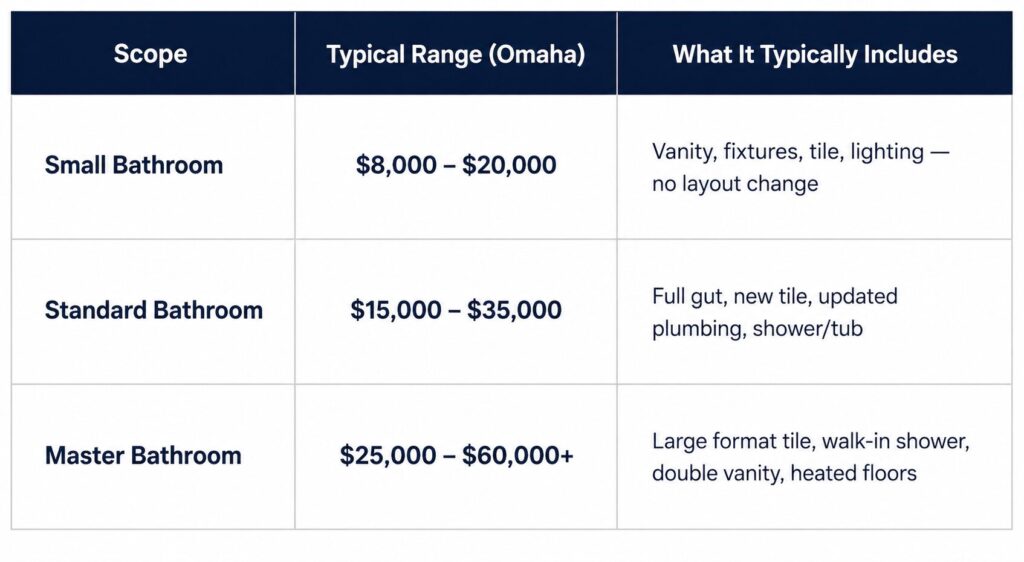
To help you visual where your hard-earned dollars actually go, here is a quick bird’s-eye breakdown of typical costs across the Omaha metro area:
- Small Powder Room (Floor Only, 30-50 sq. ft.): $500 – $1,200
- Standard Full Bathroom (Floor Only, 50-80 sq. ft.): $800 – $2,000
- Standard Tub Surround (Tiled Walls): $1,500 – $3,500
- Custom Walk-In Shower (Walls, Floor, Pan): $2,500 – $6,500+
- Full Master Suite Overhaul (Floors & Shower): $5,000 – $10,000+
What Shapes Your Bathroom Tile Installation Cost Omaha NE?
Why does your neighbor pay $3,000 while your cousin down in Papillion paid double for a bathroom of the exact same size? Well, tiling is not just sticking clay squares to a surface. It is an intricate craft influenced by several moving parts.
1. Tile Material Selection
The material you pick plays a massive role in your total invoice. Ceramic tiles are generally your wallet’s best friend. They are budget-friendly, easy to cut, and come in a million styles. Porcelain is slightly tougher, water-resistant, and slightly pricier. Then you have natural stones like marble, travertine, or slate. They look magnificent, like a five-star hotel resort, but they carry premium price tags and require extra TLC during installation.
2. Complexity and Tile Pattern
Laying square tiles in a basic grid layout is straightforward work for an experienced installer. But what if you want a trendy herringbone pattern, a chevron layout, or tiny hexagonal mosaic tiles? Complex layouts mean hundreds of extra precision cuts, significantly more tile waste, and far more hours on the clock for your installer. More labor hours directly equals a higher total project cost.
3. The Condition of Your Subfloor and Preparation
Here is where many Omaha homeowners get caught off guard. Older homes in areas like Dundee, Benson, or Florence often hide surprises under old flooring. If your subfloor has rot, water damage, or is uneven, it must be repaired or replaced before a single tile can be laid. Tile needs a rock-solid, completely flat surface; otherwise, your brand-new tile will crack underfoot within months. Subfloor repair work adds time and material costs to your job.
4. Demolition and Disposal
Ripping out old, stubborn tiles or layers of vinyl is hard, dirty work. Most contractors charge a separate fee for demo and hauling away the trash. While you might be tempted to swing a sledgehammer yourself to save a few bucks, remember that hidden plumbing lines and electrical wiring sit right behind those walls!
Material Cost Breakdown: What Are You Paying For?
Let us peek under the hood at material costs. When you walk into a flooring showroom in Omaha, tile prices are listed per square foot. Here is a handy guide to what different materials will cost you just off the shelf:
- Ceramic Tile: $1.50 to $6.00 per sq. ft. (Affordable, great for light use, easy to cut).
- Porcelain Tile: $3.00 to $10.00 per sq. ft. (Dense, incredibly durable, moisture-proof, ideal for showers).
- Natural Stone (Marble, Slate, Travertine): $8.00 to $25.00+ per sq. ft. (Luxurious, unique, requires sealing).
- Glass or Mosaic Accent Tiles: $10.00 to $30.00+ per sq. ft. (Stunning for shower niches or backsplashes, labor-intensive).
Keep in mind that tile prices are only part of the material equation. Your installer also needs supplies you rarely think about: cement backer board, waterproofing membranes (like Schluter-KERDI), thinset mortar, grout, caulk, and trim pieces. These background materials can easily add another $2 to $5 per square foot to your project total.
Labor Costs in Omaha: Hiring a Local Pro vs. DIY
Labor typically makes up 50% to 65% of your total bathroom tile installation cost Omaha NE. Professional tile installers in the Omaha metro area generally charge between $5 and $15 per square foot for labor alone, depending on the complexity of the space.
You might be sitting there thinking, “Can’t I just watch a few YouTube tutorials and tile the bathroom myself over the weekend?”
It is an tempting thought! Doing it yourself certainly eliminates labor fees. But let us be completely honest with each other. Tiling a floor is one thing; tiling a wet area like a shower is an entirely different beast. A mistimed step in waterproofing a shower can lead to slow, hidden water leaks behind your walls. Before you know it, you are dealing with structural wood rot, toxic mold, and thousands of dollars in restoration work. Hiring a licensed, insured local professional guarantees that the waterproofing is airtight, the lines are razor-straight, and your investment lasts for decades.
Hidden Expenses You Should Plan For
Nothing ruins the excitement of a home makeover faster than surprise fees. When budgeting for your bathroom tiling project, make sure you keep an eye out for these commonly overlooked expenses:
- Plumbing Moves: If your new tile layout requires removing and resetting the toilet or updating shower valves, you might need a plumber. Resetting a toilet usually costs between $150 and $300.
- Custom Shower Bases: Pre-formed acrylic shower pans are cheaper, but custom tiled shower pans require specialized mud beds, slope calculations, and extensive waterproofing. This adds $1,000 to $2,500 to shower installs.
- Sealing and Maintenance: Natural stone and certain grouts must be sealed right after installation and re-sealed periodically to prevent staining.
- Transition Strips and Edging: Metal edging profiles (like Schluter strips) or custom marble thresholds add that polished, high-end finish, but they add a few extra dollars per linear foot.
Smart Ways to Save on Your Omaha Bathroom Tiling Project
Want to get that high-end look without stretching your budget to its limit? You do not have to compromise on quality to keep costs reasonable. Here are a few insider tips to keep your project affordable:
1. Mix High and Low: You do not need expensive marble everywhere! Use budget-friendly porcelain tiles on main walls and floors, then treat yourself to a small section of luxury mosaic tile inside a shower niche or as a feature wall accent strip.
2. Stick to Simple Patterns: Offset grid or standard straight layouts are classic, timeless, and cost significantly less in labor compared to intricate herringbone or diagonal patterns.
3. Do the Demo Yourself (Carefully): If you are handy and want to roll up your sleeves, ask your contractor if you can handle the tear-out of old flooring or drywall yourself. That can easily save you $300 to $800 in labor costs.
4. Buy Local and Plan Ahead: Order your tiles early to avoid rush shipping fees. Shopping at local Omaha suppliers can also save you money on transport compared to ordering heavy crates online.
Conclusion: Investing Wisely in Your Omaha Home
Remodeling your bathroom is one of the single best investments you can make in your home. Not only does fresh tile make your daily morning routine feel like a spa visit, but it also delivers a solid return on investment if you ever decide to sell your house in the competitive Omaha market. By understanding the factors behind your bathroom tile installation cost Omaha NE, choosing materials wisely, and working with skilled local professionals, you can bring your dream bathroom to life within a budget that lets you sleep soundly at night.
Frequently Asked Questions
1. How long does a typical bathroom tile installation take in Omaha?
For a standard floor or tub surround, the process usually takes between 3 to 5 days. This timeline accounts for demolition, subfloor preparation, laying the tile, letting the mortar set overnight, applying grout, and sealing. Larger or more complex walk-in showers might take 7 to 10 working days.
2. Is porcelain tile better than ceramic for Omaha bathrooms?
Yes, porcelain is generally the preferred choice for bathroom environments. Because porcelain is denser and far less porous than standard ceramic, it absorbs virtually no water, making it extremely resistant to moisture, mold, and heavy foot traffic. Ceramic works fine for light-use floor areas or dry walls, but porcelain excels in showers.
3. How much does it cost to tile a walk-in shower specifically?
Tiling a custom walk-in shower in Omaha typically costs between $2,500 and $6,500. This price includes demolition, detailed waterproofing, custom mud pan construction, tiling the walls and floor, and applying grout and sealants.
4. Should I buy extra tile, and how much overage is recommended?
Always buy an extra 10% to 15% more tile than your room’s actual square footage calls for. This extra cushion accounts for cuts, room corners, accidental breakage during installation, and leaves you with matching spare tiles for any repairs down the road.
5. How do I get an accurate quote from a local Omaha tile contractor?
Reach out to at least two or three licensed local contractors for in-home estimates. Ensure they come inspect your bathroom in person to evaluate the subfloor condition and plumbing access. Ask for an itemized estimate that clearly separates material costs, labor, prep work, and disposal fees so you can compare quotes fairly.